We played The Skeletons at Halloween last year and it got me thinking about a riff on it without violence or (mostly) any fantasy elements. The working title for the game is Graveyard, and I’ve already spent quite some time trying to come up with a title in the same vein that hasn’t already been used by a bunch of indie roleplaying games or films, and it’s not easy.
Last night I invited three people, taped up my bedroom window to keep even the scant winter light out, and proceeded to spend an hour in complete silence in the darkness, thinking about death.
Every 4-20 minutes we rouse, as someone comes to the graveyard to remember us. We talk about who it is and what it means, and after everyone has had a visitor, we resume contemplation in silence and darkness.
What I’ve changed
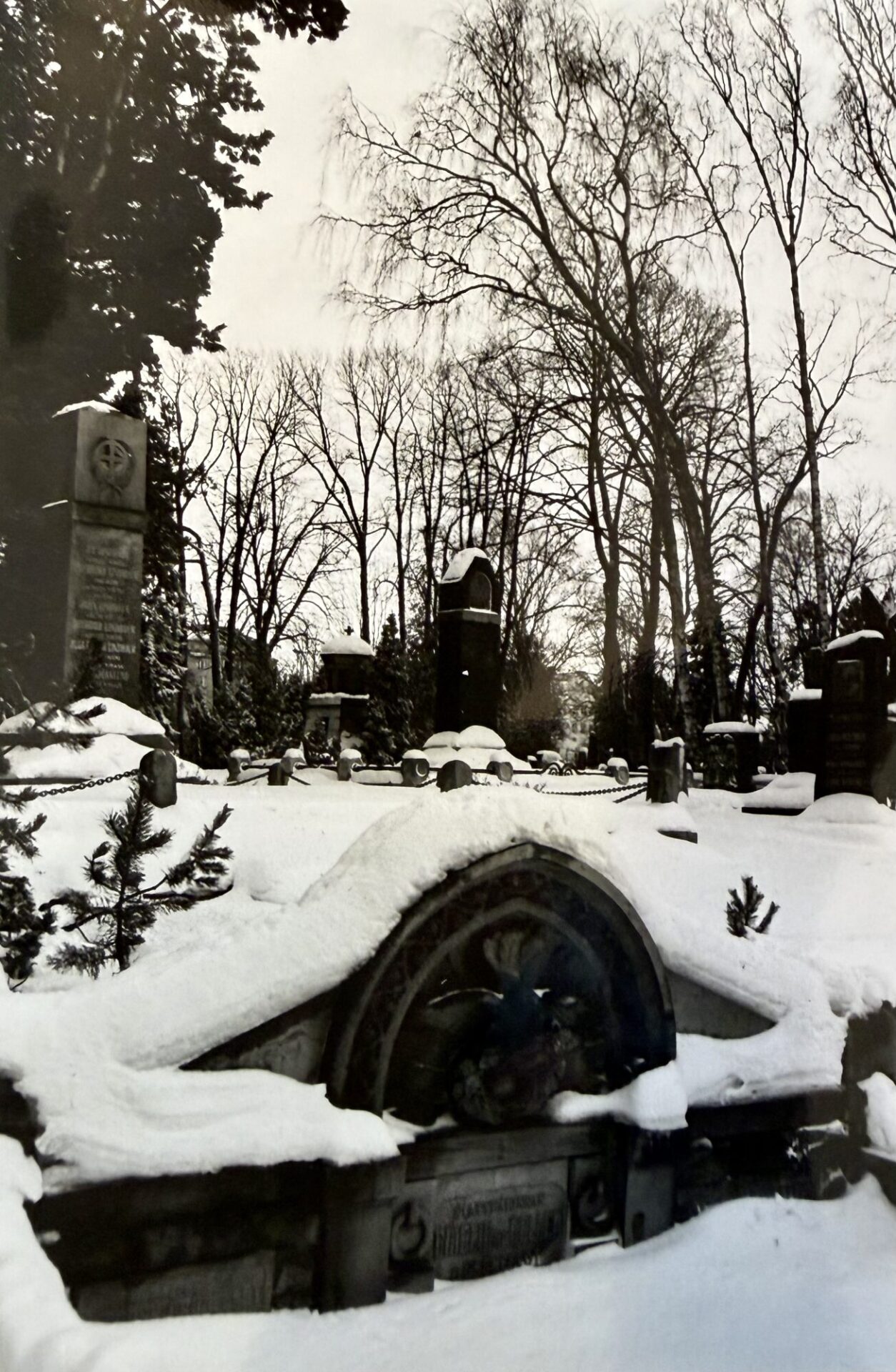
The Skeletons brings the play together on a map. The players collaborate to draw and update a map that chronicles their tomb’s narrative. My version of that is an evolving graveyard. As time passes in the game, we add and change elements of the graveyeard to echo events in the game. This is all done verbally.
The Skeletons has invaders who breach the tomb, rousing the skeletal guardians the players portray, resulting in brief, bloody action scenes. My version is people who visit the grave, remembering the deceased. There might be conflict, but the deceased do not participate. They are passive.
The Skeletons has short meditation phases between the waking moments. They can be varied by player choice, and are between one and six minutes in length. I wanted to try significantly longer meditation phases, and started from four, going up to twenty.
The Skeletons takes place over a long period in the fiction, potentially millennia, or “ages”. I wanted to try to contain the experience on the deceased, limiting it to the perspective of a single generation: 20-30 years.
The characters in The Skeletons belong to weird fantasy thematically. While some of them might be construed as formerly human, many are something else. I wanted to try a version where the deceased are as close to real life as possible.
How it played
I expected the game to bring up feelings of real loss, longing, and grief, thanks to the real world setting. It did, to a degree, and multiple players were teary by the end, if not outright crying, myself included. But mainly we felt rested, at ease, and comforted. Cathartic and tired also came up. Some had expected a very solitary experience, and instead, community, kindness, and being supported by others were themes in play.
What the meditation does for the game is give you space to immerse in the fiction (for some – for others it had the opposite effect) and really think about the themes in peace: death, remembrance, love, regrets. It’s not usual for us to sit alone with just our thoughts on a subject for minutes on end, much less in a group setting. We don’t usually dwell on death unless we’re in mourning or dreading the impending death of someone close, and allowing ourselves to go there in relative peace, for a good long while, felt like it removed some of the threat, shining a warm light on it.
It depends on the person how the longer meditation phases work for them. I feel a degree of player control could help here, perhaps having a baseline option (probably ten minutes), with a rotating order of a player getting to adjust that. What was common is a need to have something to focus on during the meditation. I believe I’ll add simple prompts for each game turn.
We didn’t use a soundtrack. Listening to each other’s bodies in the darkness for an hour was a strange experience. I’m glad we did it, but I believe most people would benefit from a bit of a masking soundscape, perhaps wind blowing through trees.
I felt quite intimate with the other players. Laying down or sitting in the darkness right next to everyone, with nothing but the sounds of our bodies for company, for an hour total (split in five phases), is an experience quite unlike what I normally do with people. It felt good to be able to share it.
Everyone brought a lot of their own experiences into the game, and it feels like this is something we should talk about before starting to play. Many players felt like they would want to play again, this time exploring a specific situation in their own lives.
Similarly, thanks to the fiction being so close to reality, it’s important to discuss where the boundaries for the fiction are.
I’d like to expand on the graveyard evolution somewhat, to make it a little more concrete, but I’m wary of it becoming too much of a focal point in play.
Most players struggled with immersion, and it seems the game would benefit from a transitory rite in the beginning – perhaps a funeral ritual for every deceased.
The characters, both the deceased and the ones remembering them, were very rough sketches in this version. I’m going to add a little detail to them to make them more relatable. Names alone could add a lot of weight.
We liked the closing scene. There’s a sunset on the graveyard we’ve been building together, and every deceased (player) has a visitor, all at the same time. This is the one time the deceased get to have an effect on the world, and the one exception to the “no fantasy” guideline. They can touch a loved one, or leave some kind of a sign. This felt very comforting, and a good way to say goodbye to the fiction.
Leave a Reply